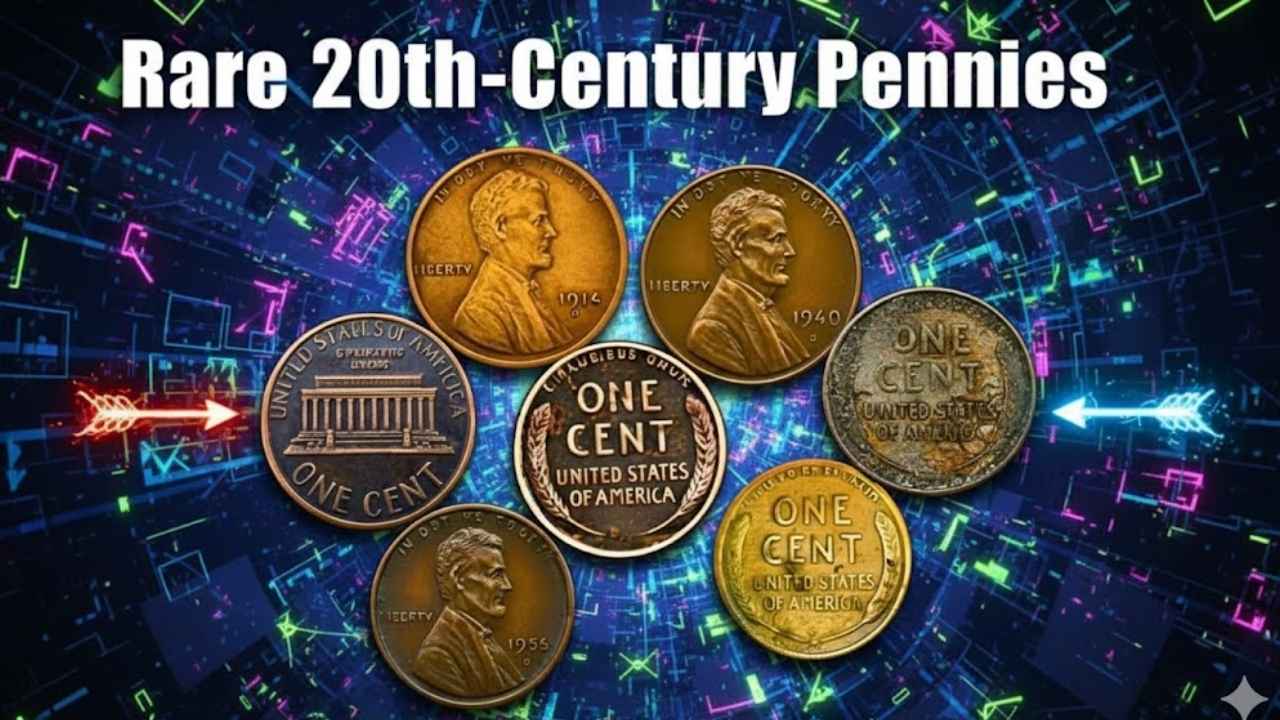
Rare 20th-Century Pennies: The penny is often overlooked as spare change, yet some 20th-century pennies hold incredible value. Collectors around the world actively search for rare Lincoln and Wheat pennies, and finding one in an old jar or inherited collection could be life-changing. From minting errors to limited production and historical significance, these coins have captured the attention of numismatists everywhere.
Why Some Pennies Are Worth So Much
Most 20th-century pennies were mass-produced, making them common. Rarity arises from unusual minting errors, limited mintage, or unique historical circumstances. Condition is also a critical factor; coins in pristine, uncirculated state are worth significantly more than those worn from circulation. Understanding these factors helps collectors identify which pennies can be exceptionally valuable.
Famous Rare 20th-Century Pennies
1909 S VDB Lincoln Penny
The very first Lincoln cent minted in San Francisco, featuring designer Victor David Brenner’s initials. Its low production and historical significance make it highly prized.
1914 D Lincoln Penny
Minted in Denver, very few were produced compared to other years, making high-grade coins extremely rare.

1922 No D Penny
An accidental omission of the Denver mint mark created one of the most sought-after error pennies.
1931 S Wheat Penny
Produced during the Great Depression with limited quantities, this coin remains a key collectible.
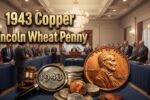
1943 Copper Penny
A famous wartime error, produced from leftover copper instead of the standard steel. Extremely rare and highly valuable.
1944 Steel Penny
The inverse error to the 1943 copper penny; a few steel blanks were mistakenly struck, making this another valuable wartime penny.
1955 Doubled Die Penny
Easily recognized for its dramatic doubling on the date and letters. Still highly sought after today.
1969 S Doubled Die Penny
A much rarer doubled die error that survived despite many being destroyed over counterfeiting concerns.
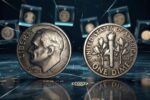
1970 S Small Date Penny
A subtle variation in date size increases the value of this coin, especially on specific planchets.
1972 Doubled Die Penny
Less dramatic than the 1955 version but still collectible for its visible doubling.
1983 Doubled Die Reverse Penny
A modern error where the reverse letters appear doubled, increasingly rare in higher grades.
1992 Close AM Penny
The letters A and M in “America” are almost touching, creating a subtle but valuable variation.
1999 Wide AM Penny
Produced due to proof dies used in circulation strikes; noticeable spacing makes it collectible.
How to Check Your Pennies
Examine dates, mint marks, and details using a magnifying glass. Look for doubling, unusual spacing, or missing features. Check weight and metal composition, particularly for wartime copper and steel pennies. Professional grading services are highly recommended for authentication and valuation.
Stories of Hidden Treasures
Rare 20th-century pennies are sometimes found in old jars, inherited collections, or even pocket change. Discovering one of these coins can be life-changing and adds an element of excitement to the hobby. Collectors often share stories of finding valuable pennies unexpectedly, inspiring beginners to start their own searches.
Auctions and Market Trends
Auction houses set records and influence the value of rare coins. When a penny sells for tens of thousands, it elevates interest across the collecting community. Market trends, historical significance, and coin condition all affect prices.
Preserving and Protecting Rare Pennies
Store coins in protective holders and avoid cleaning them, as it can reduce value. Professional grading and certification safeguard both monetary and historical worth, ensuring future generations recognize their importance.
Final Verdict
Rare 20th-century pennies prove that even the smallest coins can hold immense value. With patience, knowledge, and careful observation, collectors can turn ordinary coins into extraordinary treasures. From classic Lincoln Wheat pennies to modern error issues, these 13 coins are among the most exciting and valuable finds in American numismatics.
Disclaimer
This article is for informational purposes only and does not constitute financial advice. Coin values fluctuate based on market conditions, rarity, and condition. Always consult professional grading and numismatic experts before buying or selling rare coins.