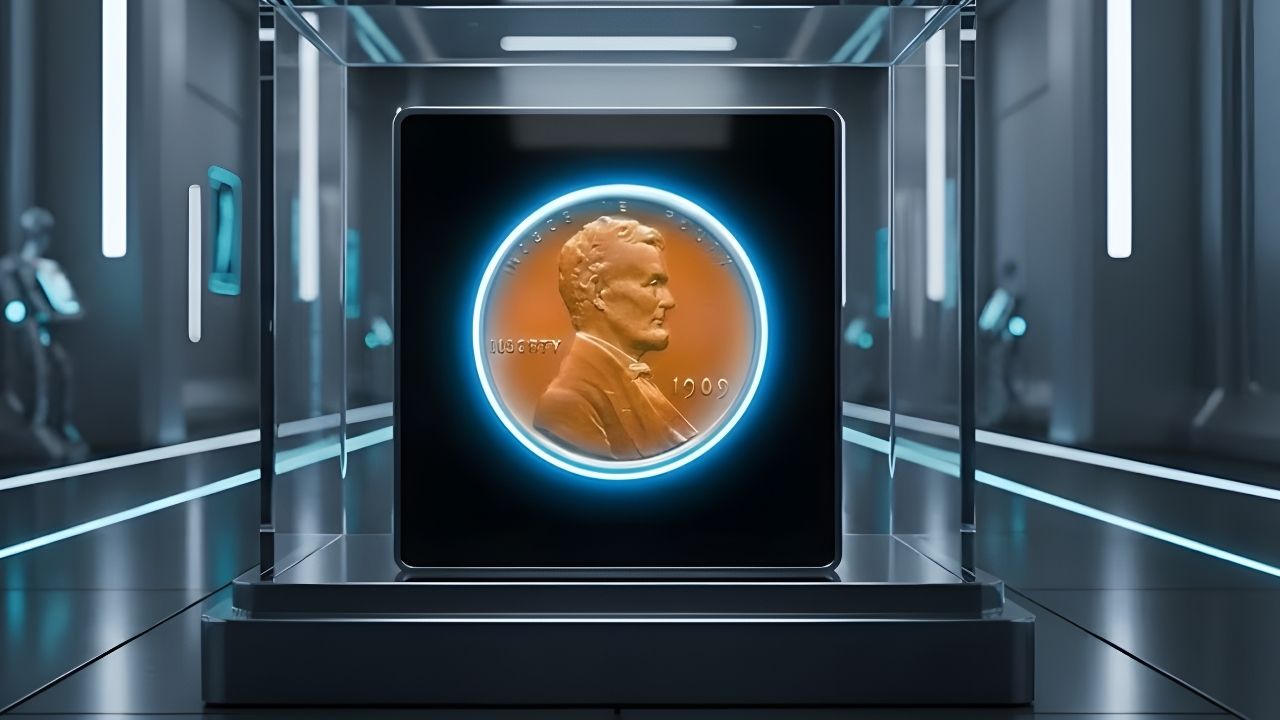
Lincoln Wheat Penny: The Lincoln Wheat Penny, first minted in 1909, is one of the most iconic and collectible coins in American history. Its combination of historical significance, scarcity in certain years, and mint mark variations makes it a fascinating subject for both novice collectors and seasoned numismatists. Over the past decade, Lincoln Wheat Penny values have experienced interesting trends influenced by collector demand, market conditions, and coin condition.
Understanding Lincoln Wheat Pennies
Designed by Victor David Brenner, the Lincoln Wheat Penny features Abraham Lincoln on the obverse and two wheat stalks on the reverse. It was minted from 1909 to 1958 with Philadelphia, Denver, and San Francisco mint marks. Coins in excellent condition, especially rare dates or error varieties, command significant value and remain a central focus for collectors.
Value Trends Over the Past 10 Years
Over the last decade, Lincoln Wheat Penny values have shifted due to multiple factors:
- Rarity and Mint Year: Key coins like the 1909-S VDB and 1914-D have consistently remained high-value collectors’ items.
- Condition and Grading: Well-preserved coins in Mint State have appreciated faster than circulated examples.
- Collector Demand: Growing interest from hobbyists and investors has steadily increased prices.
- Economic Influences: Inflation, silver market trends, and overall collector sentiment indirectly impact value.
For instance, in 2015, a 1909-S VDB in near-mint condition could sell for several thousand dollars. By 2025, sustained demand and limited availability have pushed that value even higher. More common Wheat Pennies have appreciated modestly, making them accessible for new collectors while still retaining historical appeal.

Key Factors Affecting Lincoln Wheat Penny Value
- Mint Marks: Coins from San Francisco (S) or Denver (D) typically have higher values than Philadelphia issues.
- Errors and Varieties: Doubled dies, repunched mint marks, or off-center strikes add value.
- Historical Significance: Early pennies (1909–1919) generally command premiums due to age and historical importance.
- Market Trends: Auction results, online marketplace activity, and collector interest influence prices over time.
Tips for Collectors
- Prioritize coins in higher grades for long-term appreciation.
- Focus on key dates and rare mint marks to maximize investment potential.
- Use reputable grading services when buying or selling high-value coins.
- Store coins properly in protective holders to preserve condition.
- Track market trends to identify peak collector demand periods.
Key Highlights
- Lincoln Wheat Pennies were minted from 1909 to 1958 and remain highly collectible.
- Rare dates like 1909-S VDB, 1914-D, and 1922 No D are particularly valuable.
- Over the last 10 years, well-preserved coins have shown steady appreciation.
- Condition, rarity, and collector demand are the most critical value factors.
- Error coins and unique varieties often command significant premiums.
Final Verdict
Lincoln Wheat Pennies are more than simple coins; they are tangible pieces of American history. Over the past decade, the value of rare and well-preserved pennies has risen steadily, rewarding collectors who focus on condition, key dates, and rare mint marks. Proper care and informed selection can make collecting Lincoln Wheat Pennies both a historically enriching and financially rewarding hobby.
Disclaimer
This article is intended for educational and informational purposes only. Lincoln Wheat Penny values fluctuate due to market demand, rarity, and coin condition. Always consult professional grading and appraisal services before buying, selling, or investing in rare Wheat Pennies or other collectible coins.