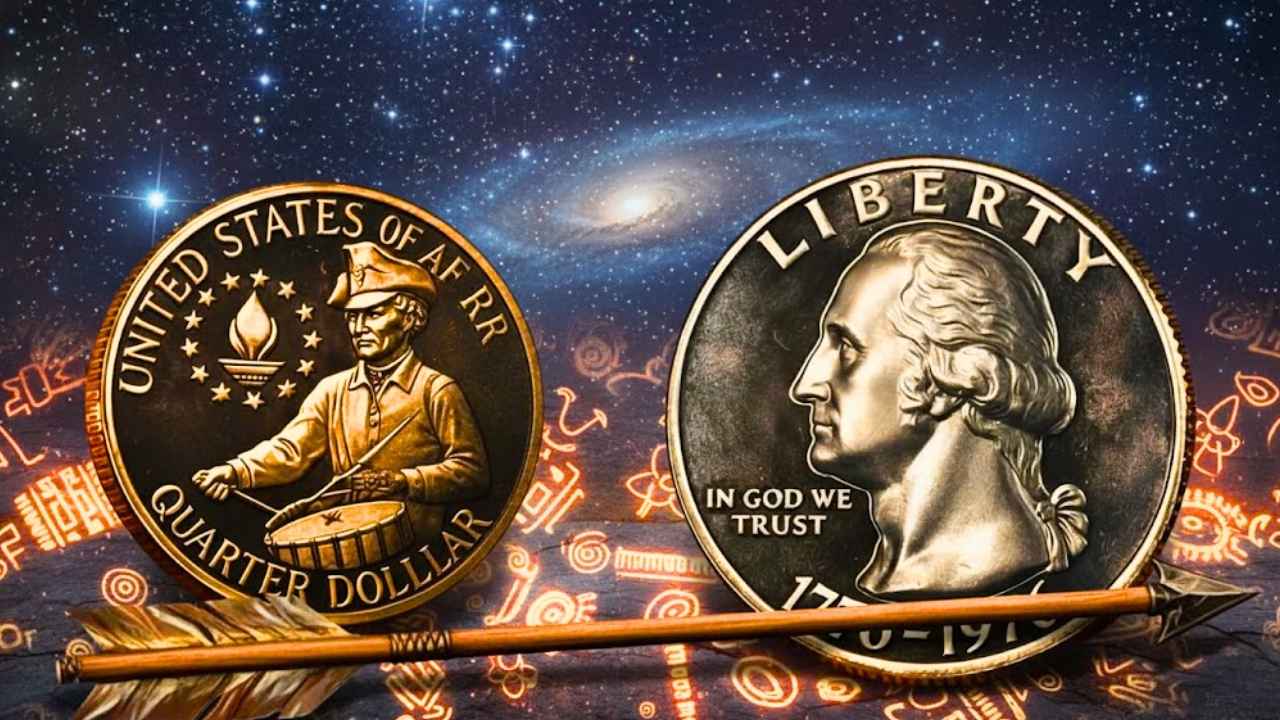
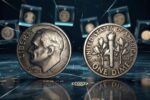
Bicentennial Quarter 1776–1976 Worth Money: The Bicentennial Quarter was issued during 1975 and 1976 to honor 200 years of American independence. This commemorative quarter stands apart from regular Washington quarters because of its distinctive reverse design by Jack L. Ahr. Instead of the familiar eagle, the back of the coin features a colonial drummer holding a torch, encircled by thirteen stars representing the original colonies. The front still shows George Washington, but with the special dual date 1776–1976. Although millions were produced, only certain types have become highly valuable to collectors.
Bicentennial Quarter Varieties and Estimated Values
| Variety | Composition | Typical Value Range |
|---|---|---|
| Regular circulation strike | Copper-nickel | Face value to a few dollars |
| Silver collector issue | 40 percent silver | $5 to $25+ |
| Proof Bicentennial Quarter | Copper-nickel or silver | $10 to $50+ |
| Error coins | Varies | $100 to several thousand |
Why Collectors Value Bicentennial Quarters
While most Bicentennial Quarters remain common, collectors actively search for examples with special traits. Coins struck in silver, those showing clear minting errors, and pieces preserved in excellent condition can sell for much more than twenty-five cents. Beyond monetary worth, the Bicentennial Quarter carries historical appeal, making it attractive to both new and experienced numismatists.
Silver Bicentennial Quarters Explained
Silver Bicentennial Quarters were not released into everyday circulation. They were produced specifically for collector sets and contain 40 percent silver. At first glance, they resemble standard quarters, but their metal content and slightly different weight increase their value. High-grade silver Bicentennial Quarters, especially proof examples, are consistently sought after in the collector market.
Rare Errors That Increase Bicentennial Quarter Value
Minting mistakes often turn ordinary coins into prized collectibles. Bicentennial Quarters with doubled designs, off-center strikes, or clipped edges can command strong premiums. Some were struck on the wrong planchet, creating unusual size or color differences. Because these errors are uncommon and visually striking, collectors are often willing to pay hundreds or even thousands of dollars for them.

Proof Bicentennial Quarters for Collectors
Proof Bicentennial Quarters were manufactured using polished dies and specially prepared blanks. This process produced sharp details and mirror-like surfaces. Both silver and copper-nickel proof versions exist. Coins that remain in original packaging or receive high professional grades tend to bring the highest prices.
Condition and Grading of Bicentennial Quarters
The state of preservation plays a major role in determining value. Bicentennial Quarters are graded on a scale ranging from Poor to Mint State and Proof levels. Coins that show little to no wear are significantly more valuable than circulated examples. Certification by recognized grading services helps verify authenticity and condition, giving buyers confidence.

Collector Demand and Market Trends
Interest in Bicentennial Quarter 1776–1976 coins remains steady. While common pieces trade close to face value, silver versions, proofs, and error coins continue to see strong demand. Market trends show that high-quality examples tend to increase in value over time, especially as fewer pristine coins remain available.
Real-Life Finds and Unexpected Discoveries
Many collectors enjoy stories of valuable Bicentennial Quarters being found in pocket change, old jars, or inherited collections. Although rare, these discoveries do happen and add excitement to the hobby. Careful inspection of everyday coins can sometimes reveal a hidden treasure.
How to Identify Valuable Bicentennial Quarters
To spot valuable examples, examine the dual date 1776–1976 and look for mint marks such as D or S. Check the coin’s edge for signs of silver content and inspect the design closely for doubling or striking errors. Using a magnifier and trusted coin references can make identification easier.
The Future of Bicentennial Quarter Collecting
As time passes, interest in historic U.S. coins continues to grow. While most Bicentennial Quarters will remain common, rare varieties and error coins are likely to become more desirable. Collectors who focus on quality and preservation may see long-term appreciation.
Final Verdict
The Bicentennial Quarter 1776–1976 is more than a commemorative coin. It represents American history and offers real opportunities for collectors to find valuable pieces. From silver editions to dramatic minting errors, these quarters continue to capture attention and remain a rewarding area of numismatics.
Disclaimer
Coin values mentioned in this article are based on general market trends and may change over time. Prices can vary depending on condition, demand, and certification. This content is for informational purposes only and should not be considered financial or investment advice.