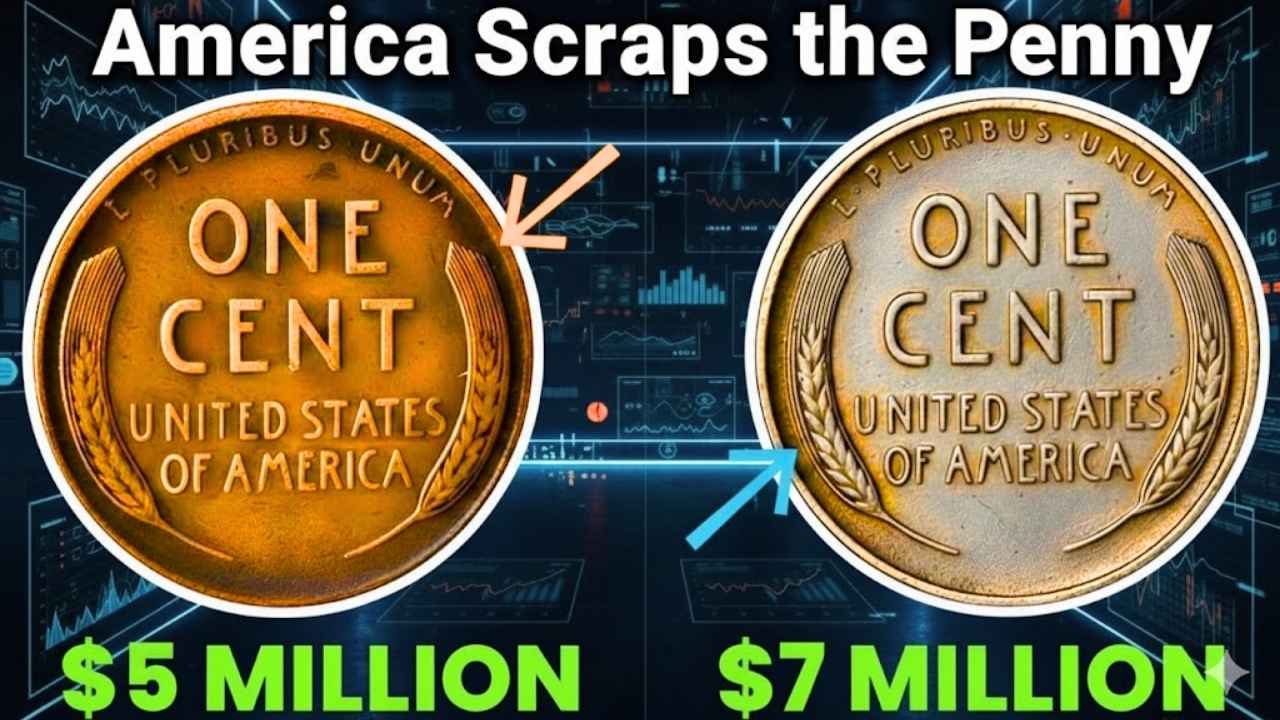
America Ends the Penny: For more than a hundred years, the penny has been part of everyday life in the United States. It passed through countless hands, filled jars on bedroom shelves, and symbolized simple savings. As production costs rose and buying habits changed, the usefulness of the penny steadily declined. America’s decision to scrap the penny marks the close of a familiar chapter in U.S. currency history and signals a shift toward a more modern financial system.
Key Facts About the U.S. Penny and Rare Values
| Category | Details |
|---|---|
| First Issued | 1793 |
| Lincoln Penny Introduced | 1909 |
| Material Changes | Copper to copper-plated zinc |
| Cost to Produce | Higher than face value |
| Most Valuable Penny | 1943 Copper Penny |
| Highest Auction Prices | Up to $5 million |
| Collector Interest | Increasing after elimination |
Why the Penny Was Finally Removed
The primary reason behind eliminating the penny is economic inefficiency. Manufacturing a one-cent coin costs more than one cent, creating long-term losses. As inflation reduced purchasing power, the penny’s role in daily transactions became increasingly symbolic rather than practical.
Modern payment systems also played a major role. Digital wallets, cards, and contactless payments have reduced reliance on physical coins. Many businesses already round prices, making the penny unnecessary. Removing it simplifies transactions and aligns U.S. currency with contemporary spending habits.
The Historical Importance of the Lincoln Penny
The Lincoln penny holds a special place in American history. Introduced in 1909 to honor Abraham Lincoln, it became the first circulating U.S. coin to feature a real historical figure. Designed by Victor David Brenner, the coin quickly became recognizable nationwide.

Over the decades, its reverse design evolved from wheat ears to the Lincoln Memorial and later the Union Shield. While its face value remained small, its cultural meaning grew. The penny became a symbol of thrift, patience, and tradition, making its removal emotionally significant for many Americans.
Rare Pennies That Reached Million-Dollar Status
Although most pennies are nearly worthless in daily commerce, a small number have achieved astonishing prices. Rare pennies worth millions exist due to minting mistakes, limited production, or unusual metal compositions.

The most famous example is the 1943 copper penny. During World War II, pennies were meant to be made from steel to conserve copper. A few copper blanks were accidentally used, creating one of the rarest U.S. coins ever known. Another highly valuable coin is the 1909-S VDB penny, prized for its low mintage and historical significance.
In exceptional cases, pristine condition and rarity have pushed some penny values close to five million dollars, making them legendary among collectors.
What Makes a Coin Worth Millions
Coin values depend on several key factors. Rarity is the most important. Coins with extremely low surviving numbers naturally attract intense demand. Condition is equally critical, as coins preserved without wear or damage command much higher prices.
Historical context also adds value. Coins connected to major events, material shortages, or design changes carry stories that collectors seek. When rarity, condition, and history align, values can rise dramatically into the million-dollar range.

How the Penny’s Removal Affects Collectors
The elimination of the penny has sparked renewed interest in coin collecting. As circulation ends, collectors see pennies as closed chapters of history, increasing their appeal. Demand for rare and early Lincoln pennies has already risen, with auctions reporting stronger competition.
For hobbyists, the change brings excitement. Searching through old collections, inherited jars, or forgotten drawers feels more meaningful when the coin is no longer produced. The chance, however small, of finding a rare penny worth millions keeps interest alive.
Cultural Meaning Beyond Money
Scrapping the penny reflects how society evolves. Currency changes alongside technology, inflation, and consumer behavior. While the penny fades from daily use, its symbolic value grows stronger.
Rare pennies worth millions capture the imagination because they transform something ordinary into something extraordinary. They remind people that value is not always obvious and that history can be hidden in the smallest objects.

Lessons for Everyday Coin Holders
The story of valuable pennies offers practical insight. Checking old coins carefully can sometimes uncover unexpected value. Learning about key dates, mint marks, and unusual features helps identify coins worth more than face value.
Even without discovering a million-dollar coin, collecting preserves history. The penny teaches patience, attention to detail, and appreciation for craftsmanship. Its disappearance highlights how adaptation is essential, both in money and in life.
A Future Without the Penny
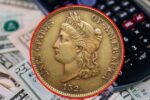
As America moves forward without the penny, digital payments and streamlined denominations will dominate everyday transactions. Coins will continue to exist, but more as collectibles than necessities.
Rare pennies worth five million dollars will remain powerful symbols of discovery. Their stories will continue to inspire collectors and remind future generations that history often survives in unexpected forms.
Final Verdict
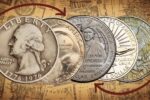
America scrapping the penny marks a historic shift in U.S. currency. While the coin may disappear from circulation, its legacy grows stronger through rare examples that have reached astonishing values. Pennies once overlooked now represent history, rarity, and immense worth. For collectors and everyday people alike, the penny’s story proves that even the smallest coin can carry extraordinary significance.
Disclaimer
Coin values mentioned in this article are based on historical auction data and collector estimates. Actual value depends on condition, authenticity, and market demand. Professional appraisal is recommended before buying or selling rare coins.