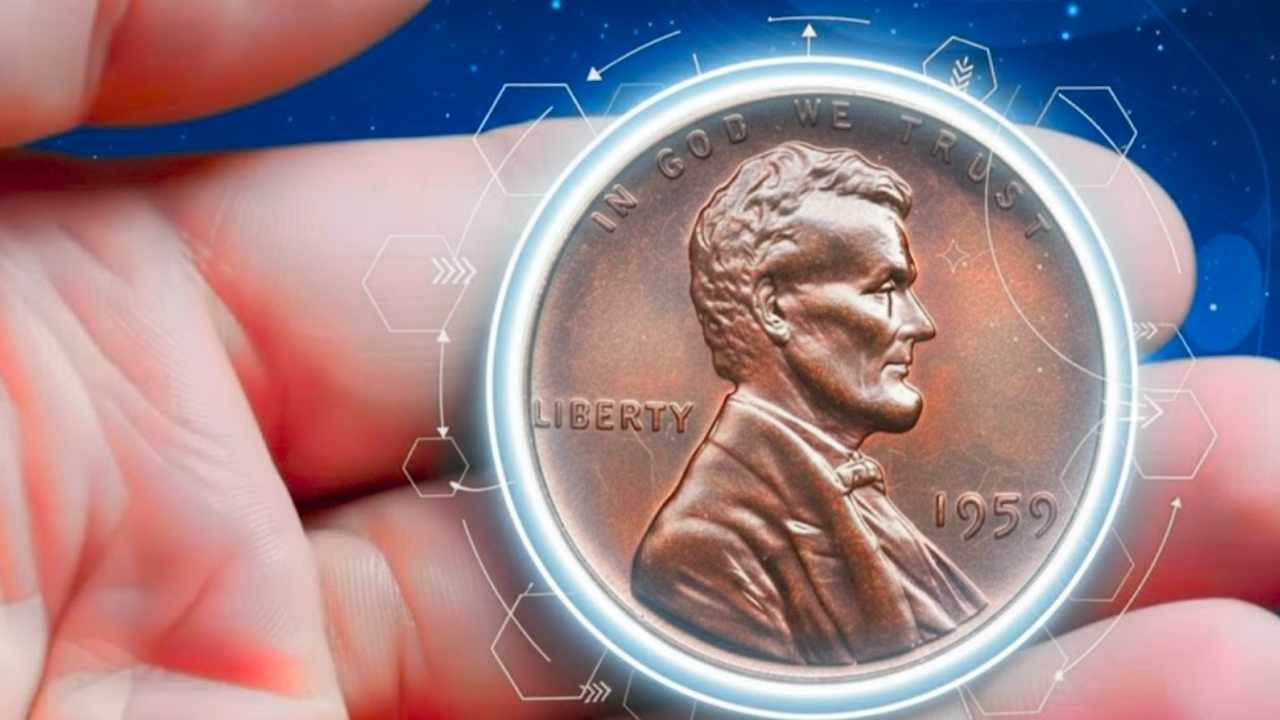
Lincoln Penny Value: The Lincoln Memorial Cent issued between 1959 and 2008 is one of the longest-running and most studied modern U.S. coin series. Although billions were produced, this era hides several scarce varieties, condition rarities, and mint errors that can be worth far more than face value. For collectors, this series offers an ideal mix of affordability, history, and genuine discovery potential.
Lincoln Memorial Penny Value Overview (1959–2008)
| Category | Typical Value Range | Notes |
|---|---|---|
| Common circulated cents | $0.01–$0.10 | Heavily worn, no errors |
| Uncirculated copper (1959–1982) | $0.50–$5+ | Value increases with grade |
| High-grade MS67–MS68 | $50–$500+ | Condition rarity drives price |
| Key doubled-die errors | $100–$10,000+ | Authentication essential |
| Major varieties (Wide AM, Small Date) | $200–$5,000+ | Strong collector demand |
| Proof coins (PR69–PR70) | $20–$300+ | Cameo contrast adds value |
This table provides a general snapshot. Individual coin value depends heavily on date, mint mark, variety, and professional grading.
With nearly five decades of continuous production, the Lincoln Memorial cent series reflects major changes in U.S. minting, including metal composition shifts, evolving quality standards, and a growing collector base focused on modern varieties.
Background of the Lincoln Memorial Cent Series
The Memorial reverse replaced the Wheat design in 1959, marking the 150th anniversary of Abraham Lincoln’s birth. It was the first circulating U.S. coin to feature a real building on the reverse while still showing the same person on both sides. This design ran uninterrupted until 2008, making it a cornerstone of modern American coinage.

Over time, production volumes grew, minting technology advanced, and collector interest shifted toward condition rarity and error coins rather than age alone.
Composition Changes and Their Impact on Value
One of the most important factors in this series is metal composition.
From 1959 through most of 1982, Lincoln cents were struck in 95 percent copper. Rising metal costs forced a transition in 1982 to copper-plated zinc. That year alone produced multiple varieties, including copper and zinc issues with small and large date styles. Some of these combinations are genuinely scarce and highly desirable.
Collectors generally prefer full-copper examples due to durability, weight, and long-term appeal, while 1982 transitional pieces remain one of the most searched-for modern penny varieties.
Understanding the Value Range of Modern Lincoln Pennies
- Most Memorial cents remain common, especially those from the mid-1980s through early 2000s. However, value rises quickly when coins meet one or more of the following criteria:
- exceptional mint-state condition
- documented doubled-die or design variety
- off-metal or misstrike error
- low population in certified grades
- proof status with strong cameo contrast
A single grade increase can multiply a coin’s value several times over, especially in red (RD) condition.
Most Valuable Lincoln Memorial Cents
- Certain dates and varieties consistently rank at the top of the series. These include:
- 1969-S doubled die obverse
- 1972 doubled die
- 1970-S small date
- 1982-D small date copper
- 1992 and 1992-D close AM
- 1999 wide AM
These coins are actively hunted and regularly authenticated by professional grading services due to the number of counterfeits in the market.
Key Dates, Mint Marks, and Rarity Drivers
Mint marks play a major role in collectibility. Philadelphia issues dominate overall mintage, while San Francisco proofs and selected Denver issues provide scarcity.
- Factors that increase rarity include:
- early Memorial issues with strong strikes
- proof-only dates and finishes
- varieties tied to die changes
- high-grade survivors from heavily produced years
- coins with original luster and minimal contact marks
Even common dates can become valuable when preserved in unusually high condition.
How to Identify Valuable Lincoln Memorial Pennies
- Accurate identification requires patience and attention to detail. Collectors should check:
- date style differences such as small vs large date
- spacing between A and M on the reverse
- doubling on lettering and numerals
- coin weight to detect off-metal strikes
- edge alignment and strike centering
- surface quality and original color
Using a scale, magnifier, and reference images greatly improves accuracy.
Proof Coins and Special Mint Issues
San Francisco produced proof Lincoln cents throughout most of this period. These coins feature polished dies and sharper detail than circulation strikes. Proof value increases significantly when coins show deep cameo contrast and remain free of haze or spotting.
Certified PR69 and PR70 examples are especially popular, while intact original proof sets also retain steady demand.
Grading, Color, and Condition Premiums
Condition is the strongest value multiplier in this series. Coins graded MS68 or higher are rare for many dates due to mass production and handling damage.
- Color designations matter:
- red coins command the highest prices
- red-brown carry moderate premiums
- brown examples are least valuable
Professional grading from PCGS or NGC often separates ordinary cents from four-figure collectibles.
Collecting and Investment Strategies
Successful collectors focus on quality rather than quantity. Popular approaches include:
building a complete date and mint set
targeting top-condition copper issues
specializing in errors and varieties
assembling proof-only collections
focusing on registry-grade certified coins
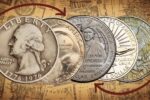
Long-term appreciation is strongest among coins with proven rarity, not just age.
Final Verdict
The Lincoln Memorial Cent series from 1959 to 2008 proves that modern coins can still offer serious collecting and investment opportunities. While most examples remain common, select varieties, errors, and high-grade survivors can reach impressive values. With careful study and proper grading, collectors can uncover coins that far exceed their humble one-cent face value.
Disclaimer
Coin values mentioned in this guide are based on historical auction data, market trends, and collector demand. Prices can fluctuate due to condition, grading results, and market conditions. This article is for educational purposes only and should not be considered financial or investment advice. Always consult professional numismatists or certified grading services before buying or selling rare coins.