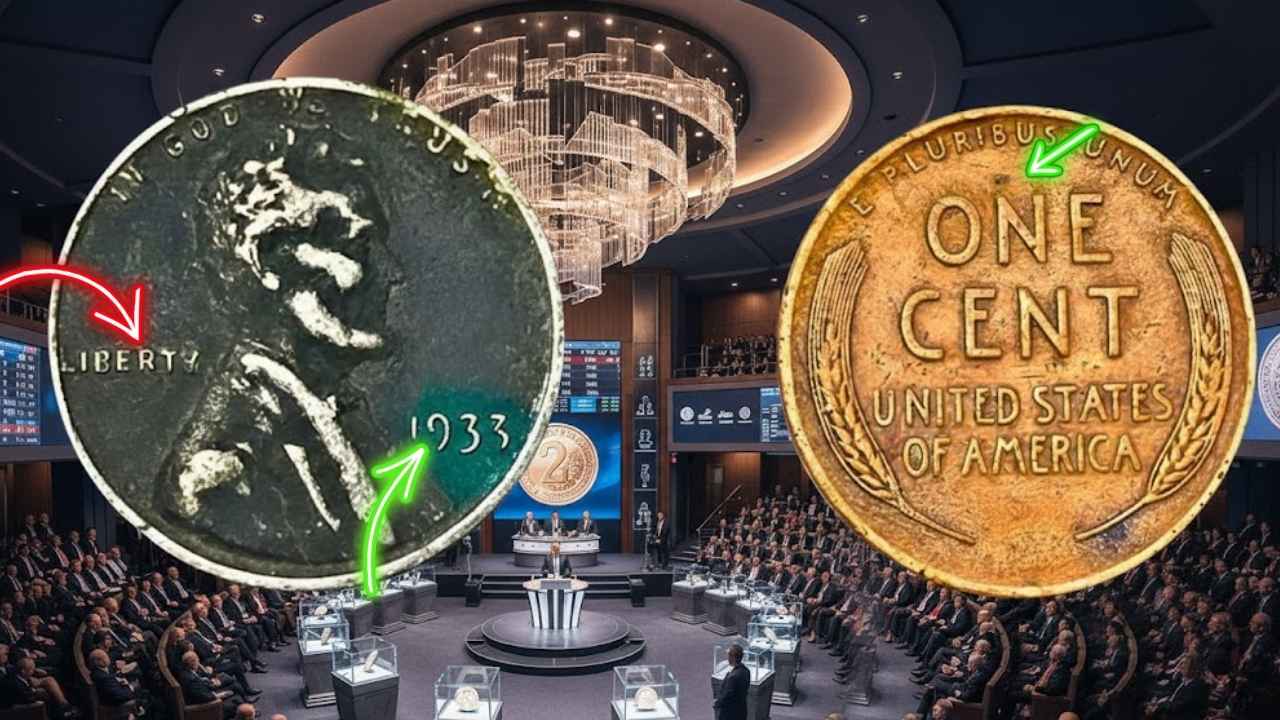
Lincoln Wheat Penny: The world of coin collecting is full of surprises, but few stories are as fascinating as that of the Lincoln Wheat Penny valued at an astonishing $3.1 million. This remarkable numismatic mystery has intrigued collectors, investors, and casual enthusiasts alike, sparking curiosity about what makes this penny so extraordinarily valuable. While most pennies are worth only a few cents, this particular coin raises intriguing questions about rarity, history, and the unpredictable nature of the coin market.
Key Details of the $3.1 Million Lincoln Wheat Penny
| Feature | Description |
|---|---|
| Coin Type | Lincoln Wheat Penny |
| Year | 1943 (Copper Variety) |
| Material | Copper (error coin) |
| Condition | Near Mint / Mint State |
| Estimated Value | $3.1 Million |
| Key Factor | Rare minting error during WWII |
| Historical Significance | Represents wartime coinage anomaly |
The Lincoln Wheat Penny: Historical Background
The Lincoln Wheat Penny was first introduced in 1909 to honor the 100th anniversary of Abraham Lincoln’s birth. Designed by Victor David Brenner, the obverse displays Lincoln’s iconic portrait, while the reverse features two stalks of wheat, giving the coin its nickname. Minted until 1958, the Wheat Penny became a staple of American currency. Most examples are common and hold little monetary value today, but rare versions, including error coins, can fetch astonishing prices at auction.
The $3.1 Million Penny: What Makes It Rare
The story of the $3.1 million Lincoln Wheat Penny centers on a rare minting error. During World War II, the U.S. Mint faced a copper shortage and switched to zinc-coated steel for pennies in 1943. However, a small number of pennies were mistakenly struck on copper planchets intended for other coins. These 1943 copper pennies are among the rarest coins in American numismatics, making them highly coveted by collectors. The combination of rarity, condition, and historical importance contributed to this penny’s record-breaking valuation.
Factors That Determine the Penny’s Value
Rarity
Rarity is a major factor in determining a coin’s value. The fewer examples of a coin exist, the more sought-after it becomes. Only a handful of 1943 copper pennies are known to exist, and even fewer remain in pristine condition, making them some of the rarest coins in the United States.

Condition
The condition of a coin plays a crucial role in its value. Coins are graded from “Poor” to “Mint State,” with Mint State coins fetching the highest prices. The $3.1 million Lincoln Wheat Penny is believed to be in near-mint condition, significantly enhancing its market value.
Demand
Collector interest drives coin prices. The 1943 copper penny has long been one of the most desirable coins for collectors worldwide. High demand and competition at auctions amplify its market value, explaining why it commanded such a record price.
Historical Significance
Beyond its rarity, the penny carries historical importance. It represents an era of American history during World War II when the Mint experimented with alternative metals due to wartime shortages. As a result, this coin is more than currency—it is a tangible piece of history.
The Auction and Collector Interest
When the Lincoln Wheat Penny was sold for $3.1 million, it captured global attention. Collectors and investors competed to own this extraordinary coin, and the sale highlighted how rarity, provenance, and condition converge to determine a coin’s worth. Since the auction, this penny has remained a symbol of the fascination and excitement surrounding rare coins.
Final Verdict
The Lincoln Wheat Penny valued at $3.1 million exemplifies the extraordinary world of rare coin collecting. While most Lincoln Wheat Pennies are modest in value, this particular 1943 copper penny showcases how rarity, condition, and historical significance can create a numismatic treasure worth millions. Its story continues to inspire collectors and enthusiasts to search for hidden gems in everyday coins, reminding us that remarkable finds can still exist in the most ordinary places.
Disclaimer
The information provided in this article is for educational and informational purposes only. Coin values fluctuate based on market conditions, rarity, and demand. Collectors should conduct their own research or consult professional numismatists before making investment decisions. Past sales do not guarantee future values.