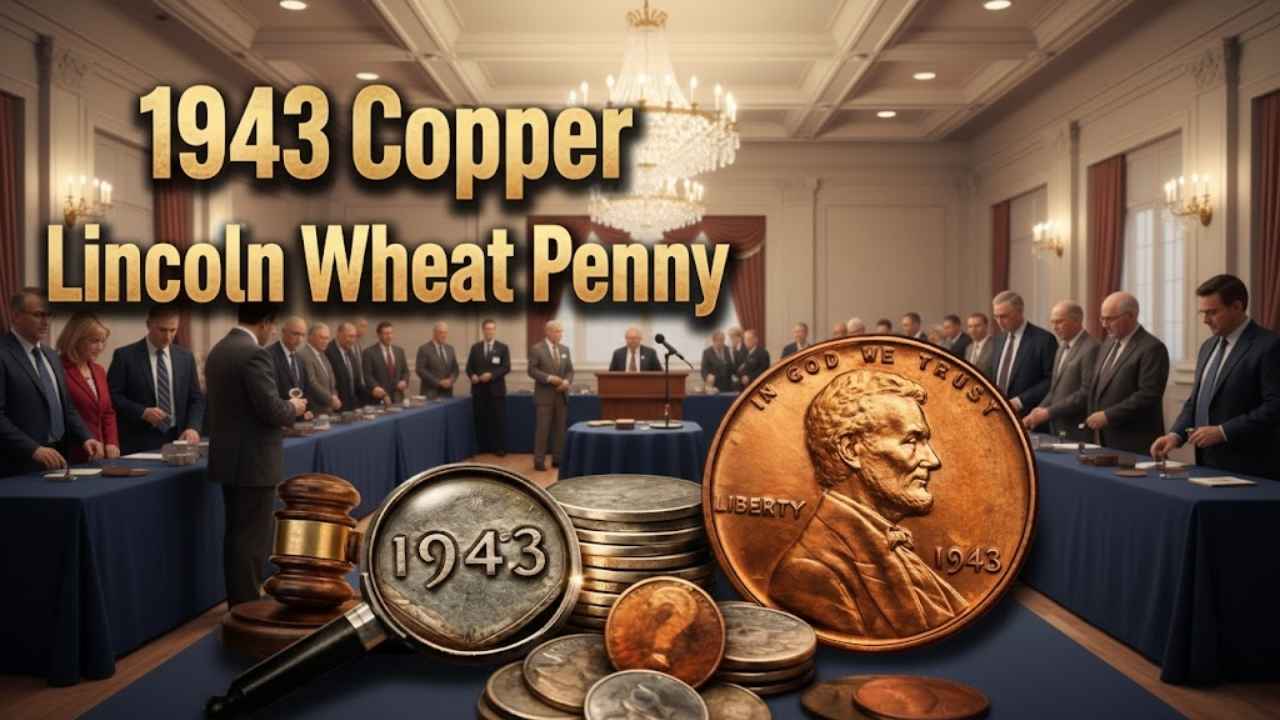
Bicentennial Quarter: 1943 Copper Lincoln Wheat Penny: The Lincoln Wheat cent has long been a familiar symbol of American currency, first appearing in 1909 to honor the 100th anniversary of Abraham Lincoln’s birth. Created by sculptor Victor David Brenner, it marked a historic shift in U.S. coinage by featuring a real person instead of an allegorical figure. For decades, this small copper coin passed quietly through countless hands, rarely attracting attention. That changed during World War II, when global conflict reshaped not only nations but even the materials used to make everyday money.
Key Facts About the 1943 Copper Lincoln Wheat Penny
| Detail | Information |
|---|---|
| Coin Name | Lincoln Wheat Penny |
| Year | 1943 |
| Intended Material | Zinc-coated steel |
| Error Material | Copper |
| Known Examples | Fewer than 30 verified |
| Estimated Value | Up to $5 million |
| Primary Reason for Value | Wartime minting error |
Wartime Changes to Penny Production
As the United States mobilized for World War II, copper became an essential resource for military equipment, wiring, and ammunition. To conserve this critical metal, the U.S. Mint altered penny production in 1943, switching from copper to zinc-coated steel. These steel cents looked silvery and felt lighter, instantly standing out from earlier pennies.
During this transition, a small number of copper blanks from the previous year remained in the machinery. When they were accidentally struck with 1943 dies, an unexpected rarity was born. These mistakes were not intentional, but they created one of the most celebrated errors in American numismatics.
Why the 1943 Copper Penny Is Exceptionally Rare
The extreme scarcity of the 1943 copper penny is what makes it legendary. Officially, no copper cents were supposed to be produced that year. As a result, every authentic example represents an unintended deviation from mint policy. Verified coins have been traced to multiple mints, including Philadelphia, Denver, and San Francisco, though Philadelphia pieces are the most frequently documented.

Because so few escaped into circulation, each confirmed coin carries immense historical and collector value.
What Drives Its Multi-Million-Dollar Value
Several factors combine to push the value of the 1943 copper penny into the millions. Rarity is the most obvious factor, with fewer than thirty confirmed examples known today. Condition also plays a major role, as coins preserved with minimal wear command far higher prices. Finally, demand among collectors ensures fierce competition whenever one appears on the market.

Beyond numbers, the coin’s wartime story adds emotional and historical weight. It serves as a tangible reminder of how global events can influence even the smallest details of daily life.
Famous Discovery Stories
Over the years, reports of 1943 copper penny discoveries have captured public imagination. Some were found in pocket change decades ago, while others surfaced in inherited collections or old coin jars. One well-known example was discovered by a young collector who noticed that his penny did not stick to a magnet, unlike the steel cents of the era.
These stories continue to inspire collectors to search old collections, even though the odds of finding one today are extremely slim.
The Enduring Appeal of the Search
For many collectors, the 1943 copper penny represents the ultimate prize. The possibility that a life-changing coin could still exist undiscovered keeps interest alive. Coin collecting is not only about profit but also about curiosity, patience, and appreciation for history.
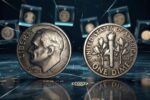
Even those who never find such a rarity often enjoy the process of learning, searching, and preserving pieces of the past.
Authentication and the Risk of Fakes
Because of its immense value, the 1943 copper penny is frequently targeted by counterfeiters. Some fake examples are created by coating steel cents with copper, while others involve altering dates on genuine coins from different years. This makes professional authentication essential.
Reputable grading services use precise testing methods, including weight, metal composition, and die analysis, to confirm authenticity. Only verified coins carry legitimate market value.
Auctions and Record-Breaking Sales
When a genuine 1943 copper penny appears at auction, it attracts worldwide attention. Collectors, investors, and museums often compete, driving prices higher with each bid. Auction records have documented sales ranging from hundreds of thousands to several million dollars, depending on condition and provenance.
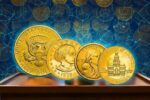
These high-profile sales further cement the coin’s status as one of the most important rarities in American coinage.
Cultural and Historical Significance
Beyond its monetary worth, the 1943 copper penny holds cultural importance. It is frequently cited in books, documentaries, and educational discussions as a symbol of accidental rarity. The coin illustrates how history, chance, and human error can combine to create something extraordinary.
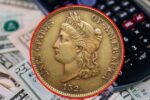
For many people, it represents the idea that remarkable treasures can still be hidden in ordinary places.
Main Keywords
1943 copper Lincoln Wheat penny, rare Lincoln penny, wartime penny error, valuable wheat pennies, rare US coins, million dollar penny, Lincoln cent rarity
Final Verdict
The 1943 copper Lincoln Wheat penny stands as one of the most fascinating coins ever produced in the United States. Born from wartime necessity and accidental minting, it has become a symbol of rarity, history, and discovery. Its multi-million-dollar value reflects not just scarcity, but the powerful story behind its creation. For collectors and history enthusiasts alike, it remains the ultimate reminder that even the smallest objects can carry extraordinary significance.
Disclaimer
This article is intended for informational purposes only. Coin values fluctuate based on market conditions, authentication, and grading. Prices mentioned are estimates and not guaranteed. Always consult certified numismatic professionals or reputable grading services before buying, selling, or valuing rare coins.