Rare Bicentennial Quarter: Rare Bicentennial Quarter Valued at $1 Million: Hidden treasures sometimes appear in the most ordinary places, and few examples prove this better than a rare Bicentennial quarter reportedly valued at up to $1 million. While most people spend quarters without a second glance, one exceptional coin tied to America’s 200th anniversary has captured the attention of collectors worldwide. This story highlights how history, rarity, and chance can combine to turn everyday change into an extraordinary discovery.
Key Details of the Million-Dollar Bicentennial Quarter
| Feature | Description |
|---|---|
| Coin Type | Bicentennial Washington Quarter |
| Year Marking | 1776–1976 |
| Mint | Denver (D) |
| Notable Error | Strong double die on reverse |
| Condition | Uncirculated |
| Estimated Value | Up to $1,000,000 |
| Status | Reported still found in circulation |
The Bicentennial Quarter and Its Historical Purpose
In 1976, the United States Mint released a special quarter to honor 200 years of American independence. Instead of the traditional eagle, the reverse design featured a colonial drummer alongside the Liberty Bell, symbolizing the spirit of the Revolutionary era. The obverse continued to display George Washington, paired with the dual date 1776–1976 to commemorate the bicentennial.
These quarters were produced in massive quantities and entered daily circulation across the country. At the time, they were intended as both commemorative items and functional currency, which is why many people still encounter them today.
Why Most Bicentennial Quarters Are Common
Despite their distinctive design, the majority of Bicentennial quarters hold no special monetary value beyond face value. Millions were struck at multiple mints, and most show signs of wear from decades of use. Because of this abundance, collectors usually overlook circulated examples unless they possess unique characteristics.

What separates ordinary Bicentennial quarters from rare ones is not the design itself, but unusual minting circumstances combined with exceptional preservation.
The Rare Error Behind the Million-Dollar Valuation
The Bicentennial quarter associated with the $1 million valuation owes its status to a dramatic minting error. Experts identified a pronounced double die error on the reverse, where elements such as the drummer boy and Liberty Bell appear doubled due to misalignment during the die creation process.
While minor doubling can appear on many coins, strong and clearly visible double die errors are extremely scarce. When such an error appears on a coin that has never circulated, the value increases exponentially.
Discovery of a Once-in-a-Lifetime Coin
What makes this story remarkable is how the coin was reportedly found among ordinary change. The person who discovered it initially treated it like any other Bicentennial quarter. Only after closer inspection and submission to a professional grading service did its true nature become clear.
Specialists confirmed both the error and the coin’s pristine condition, placing it among the rarest known examples. Once authenticated, its estimated value surged, capturing attention throughout the numismatic community.
How Coin Value Is Determined
A coin’s worth depends on several interconnected factors. Rarity plays a central role, especially when linked to production mistakes. Condition is equally important, as uncirculated coins are far more desirable than worn ones. Demand among collectors and historical relevance further influence market value.
In this case, the combination of a dramatic error, flawless condition, and association with a major national celebration created the perfect conditions for a record-setting valuation.
Other Valuable Bicentennial Quarter Varieties
Although the million-dollar example stands at the top, other Bicentennial quarters also interest collectors. Proof versions struck at the San Francisco Mint were produced in smaller quantities and feature sharper details and mirror-like finishes. Error coins with off-center strikes, die cracks, or minor doubling also command premiums, though usually far below seven figures.
These variations show that even within a widely produced coin series, rarity can still emerge.
How to Identify a Potentially Valuable Bicentennial Quarter
Anyone curious about their spare change can take a few simple steps. Carefully inspect both sides of the coin for doubling, misaligned designs, or unusual markings. Check the mint mark, as some mints produced fewer collectible-quality coins. Pay close attention to overall condition, since scratches and wear greatly reduce value.
If a coin appears unusual, professional grading is essential. Certified evaluation ensures authenticity and provides an accurate assessment of potential worth.
The Enduring Appeal of Coin Collecting
Stories like this continue to fuel interest in coin collecting. The idea that a life-changing discovery could be hiding in everyday currency keeps collectors and casual hobbyists searching. Numismatics blends history, craftsmanship, and the excitement of discovery in a way few hobbies can match.
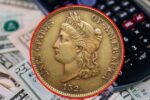
Even if most searches turn up nothing special, the possibility of finding something extraordinary makes every inspection worthwhile.
Main Keywords
rare Bicentennial quarter, 1776–1976 quarter value, million dollar quarter, valuable US quarters, Bicentennial quarter error, rare coins still in circulation, Washington quarter bicentennial
Final Verdict
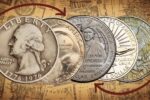
The rare Bicentennial quarter valued at $1 million demonstrates that remarkable treasures can still exist in plain sight. While most Bicentennial quarters remain ordinary, a select few with rare errors and pristine condition have rewritten expectations. This story serves as inspiration for collectors and everyday individuals alike to look a little closer at the coins they handle each day.
Disclaimer
This article is intended for informational purposes only. Coin values vary based on market demand, grading standards, and verification by certified professionals. Prices mentioned are estimates and not guaranteed. Always consult a reputable numismatic expert or grading service before buying, selling, or valuing rare coins.