Top 25 Rare Washington Quarters: Washington quarters have been a staple of U.S. coinage since 1932. While millions were minted, only a select few stand out as truly rare and valuable. From key dates to minting errors and high-grade silver examples, certain Washington quarters can sell for thousands, even tens of thousands of dollars. Whether you’re an experienced collector, an investor, or someone casually examining pocket change, knowing what to look for can reveal hidden treasures.
These coins stand out because of scarcity, historical significance, minting errors, and high-grade certified examples, all of which consistently attract strong auction prices.
What Makes Washington Quarters Valuable
Several factors drive the value of Washington quarters in 2026:
- Low mintages for early dates like 1932-D and 1932-S
- Minting errors including doubled dies, misstrikes, and off-center designs
- Silver content in quarters minted before 1965
- High-grade certification (MS65 and above)
- Strong collector demand via auctions and online marketplaces
- Eye appeal, luster, and originality
These elements combined make rare Washington quarters excellent long-term investments.

Early Washington Quarters (1932–1964)
Coins from 1932 through 1964 form the foundation of the series. Their silver composition, limited mintages, and the rarity of well-preserved examples make these quarters highly sought after today.
Why Collectors Focus on Early Dates
- Strong historical significance
- High silver content
- Scarcity of Mint State coins
- Record auction performance
Key early dates such as 1932-D and 1932-S often achieve significant premiums when graded by professional services.
Mid-Century Washington Quarters (1965–1998)
Later Washington quarters are generally more common, but certain varieties remain surprisingly valuable. Collectors often focus on these for affordable entry into coin collecting with strong long-term potential.
Varieties to Watch
- Doubled dies, including 1955 and 1983
- High-grade circulation coins
- Proof strikes from the San Francisco Mint
- Untoned surfaces with full luster
These mid-century coins can steadily appreciate, particularly when they exhibit rarity or exceptional eye appeal.
The Impact of Minting Errors
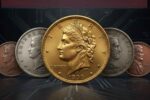
Mint errors can dramatically increase a quarter’s value. Collectors actively seek unusual mistakes that distinguish one coin from another.
Most Valuable Error Types
- Doubled die obverse (DDO)
- Off-center strikes
- Broadstrikes
- Missing clad layers
- Misaligned dies
Authentication through grading services such as PCGS or NGC ensures the maximum resale value for error coins.
Why Grading Matters
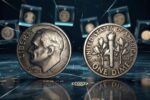
Certification is one of the most critical factors in determining a quarter’s market value.
Benefits of Grading
- Confirms authenticity
- Protects against counterfeits
- Increases buyer confidence
- Helps achieve premium auction prices
High-grade MS66–MS68 coins often sell for multiples of their ungraded counterparts, particularly for rare early dates or error coins.
Recent Market Trends (2015–2025)
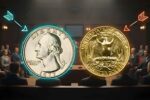
Collector interest in Washington quarters has grown over the past decade due to:
- Social media discoveries and viral coin finds
- Rising competition at auctions
- Younger collectors entering the hobby
- Greater awareness of valuable errors
This momentum is expected to continue into 2026 and beyond, sustaining high demand and strong pricing.
Final Verdict
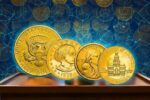
Washington quarters are one of the most exciting and potentially profitable areas of U.S. coin collecting. Rare early dates, minting errors, and high-grade silver examples consistently show strong long-term growth. Collectors and investors alike can uncover substantial value in both early and mid-century quarters, making this series a cornerstone of any numismatic portfolio.
Disclaimer
This guide is intended for informational purposes only and does not constitute financial or investment advice. Coin values fluctuate due to market demand, grading, and rarity. Always consult a professional numismatist or financial advisor before buying or selling coins.