Bicentennial Quarters: The 1976 Bicentennial Quarter stands as one of the most recognizable coins ever released into U.S. circulation. Struck to honor 200 years of American independence, it is instantly identified by its dual date and patriotic reverse design. Although billions were produced for everyday use, a surprisingly small number possess uncommon traits that can push their value far beyond face value. These rare examples continue to emerge from circulation, captivating collectors and sparking renewed interest in modern U.S. coinage.
Valuable 1976 Bicentennial Quarter Varieties and Estimated Values
| Variety Type | Key Identifier | Estimated Value Range |
|---|---|---|
| Silver-Clad Circulation Error | Silver edge, heavier weight | $500 – $15,000+ |
| Doubled Die Obverse | Noticeable doubling in lettering | $1,000 – $25,000 |
| Off-Center Strike | Misaligned design | $300 – $10,000 |
| High-Grade MS-67+ | Near-perfect surfaces | $2,000 – $40,000 |
| Proof Error Coin | Deep mirror fields with flaws | $1,500 – $50,000+ |
Despite being over four decades old, select Bicentennial Quarters are still found in loose change, coin rolls, and inherited collections. What sets them apart is not age alone, but a combination of production anomalies, special metal composition, and exceptional preservation that transforms an ordinary quarter into a serious collectible.
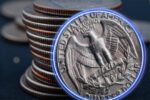
Why Some Bicentennial Quarters Are Worth So Much
The most valuable 1976 Bicentennial Quarter examples share one or more critical traits. Minting mistakes such as doubled dies, clipped planchets, or off-center strikes create instant scarcity. Even more desirable are silver-clad coins that were meant for collector sets but accidentally entered circulation. When these factors combine with high-grade condition, values can rise dramatically.
Growing media attention and strong auction results have also driven demand. As more collectors focus on modern-era rarities, Bicentennial Quarters have gained a reputation as accessible yet potentially lucrative discoveries.

Design Features That Help Identify Rare Coins
The design itself offers several clues that can signal higher value. The dual date 1776–1976 is the first indicator, but collectors look deeper. Sharp details on the Drummer Boy reverse, clean lettering, and strong star definition often suggest a better strike. Mintmarks from Philadelphia, Denver, or San Francisco can further narrow down which versions deserve closer inspection.
Finish also matters. Some coins exhibit satin or proof-like surfaces that hint at special production methods or unusual die preparation.

Strike Quality and Fine Detail Examination
Beyond surface appearance, experienced collectors evaluate microscopic details. Clear facial features, crisp drumsticks, and uninterrupted field areas are signs of a well-struck coin. Minimal contact marks and consistent texture increase the likelihood of premium grading. For silver-clad pieces, subtle layering visible along the edge can confirm the correct alloy.
These small details often make the difference between a common coin and one worthy of professional certification.
How Minting Technology Influenced Rarity
The mid-1970s were a period of high-volume production, which increased the chances of mistakes slipping through quality control. Transitional alloys, die wear, and press misalignment all contributed to the creation of rare varieties. Special collector issues, including silver-clad strikes and proof coins, were produced alongside regular circulation pieces, occasionally leading to unexpected crossovers.
Such production quirks are a major reason why valuable Bicentennial Quarters still surface today.
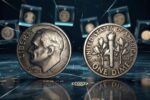
Market Trends and Investment Potential
Over the past decade, rare Bicentennial Quarters have shown steady appreciation. Certified examples consistently perform well at auction, particularly those with documented errors or top-tier grades. Collector demand remains strong due to the coin’s historical relevance and recognizable design, making it one of the most actively traded modern U.S. quarters.
As interest in tangible assets grows, these coins are increasingly viewed as both collectibles and long-term investments.
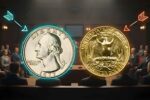
Importance of Condition and Preservation
Condition is often the deciding factor in value. Coins with sharp rims, intact luster, and minimal wear command significantly higher prices. Even a rare variety can lose much of its appeal if heavily worn. Proper storage, such as protective holders and stable environments, helps preserve condition and maintain market value.
Collectors searching through circulation should handle finds carefully to avoid accidental damage.
Authentication and Professional Grading
Any Bicentennial Quarter suspected of being rare should be authenticated by a recognized grading service. Professional evaluation confirms composition, verifies errors, and assigns an official grade that greatly influences resale potential. Encapsulation also protects the coin and builds buyer confidence in future transactions.
Authentication is especially important for silver-clad and doubled-die varieties, which are frequently counterfeited or misidentified.
Practical Appeal for Collectors
Beyond monetary value, the 1976 Bicentennial Quarter offers strong collector appeal. It is affordable to search for, easy to store, and deeply tied to American history. For new collectors, it serves as an ideal entry point into numismatics, while experienced investors appreciate its liquidity and ongoing demand.
Pricing Outlook and Availability
Most Bicentennial Quarters remain common, but rare examples are genuinely scarce. Prices range from small premiums for attractive circulated pieces to five-figure sums for elite error coins. Because new discoveries still occur, availability fluctuates, keeping the market dynamic and competitive.
Final Verdict
The 1976 Bicentennial Quarter is far more than a nostalgic keepsake. Hidden within everyday change are rare versions capable of delivering remarkable value. With the right combination of error type, composition, and condition, these coins can rival some of the most desirable modern U.S. collectibles. For anyone interested in coin collecting or investment, the Bicentennial Quarter proves that valuable treasures can still be found in plain sight.
Disclaimer
Coin values mentioned are based on historical sales, market trends, and collector demand, and they may change over time. Prices can vary depending on condition, certification, and buyer interest. This article is intended for informational purposes only and should not be considered financial or investment advice.