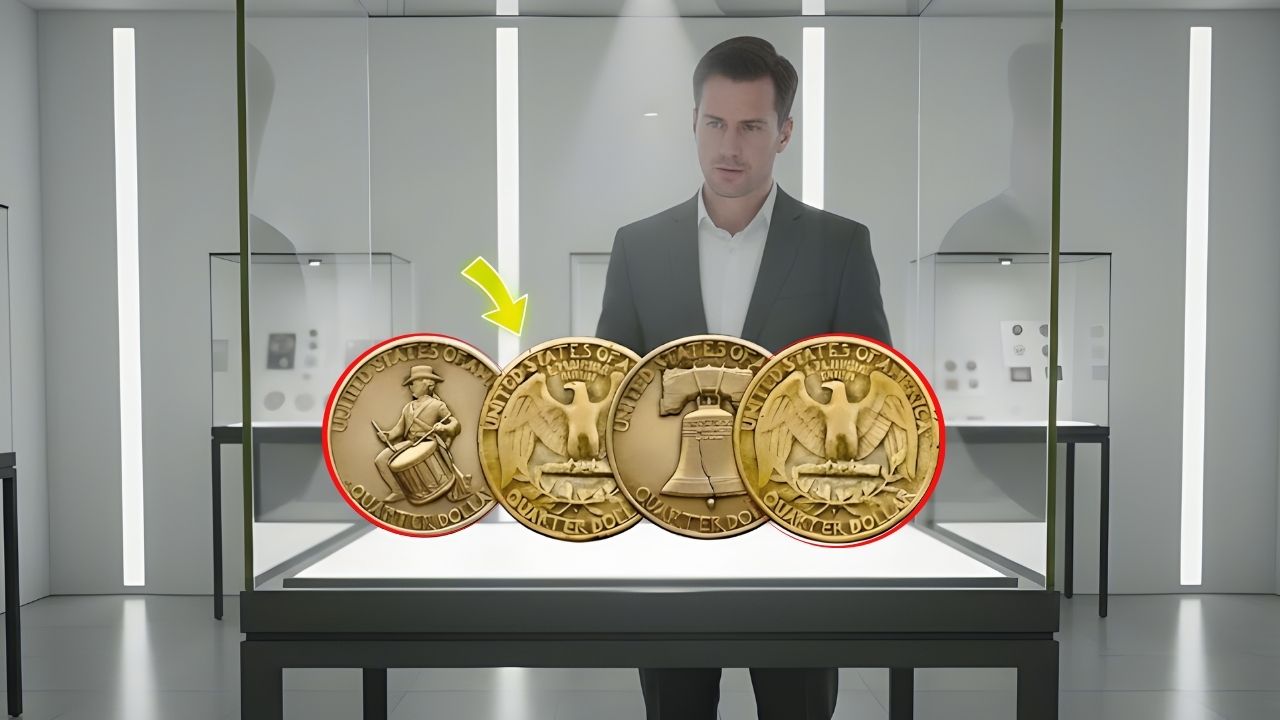
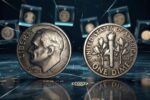
1976 Bicentennial Quarter Value Guide: In 1976, the United States marked 200 years of independence with a special circulating quarter unlike anything seen before. To honor the Bicentennial, the U.S. Mint introduced a commemorative Washington Quarter featuring the dual date 1776–1976 on the front and a colonial drummer on the back. The reverse design was created by Jack L. Ahr and instantly became a patriotic symbol of the celebration. Although these quarters were struck in very large numbers during 1975 and 1976, every coin carries the same dual date, making them easy to recognize even today.
Bicentennial Quarter Types and Approximate Values
| Bicentennial Quarter Type | Key Features | Typical Value Range |
|---|---|---|
| Circulation strike (P, D) | Copper-nickel, worn condition | Face value to $1 |
| Uncirculated examples | Sharp details, no wear | $5 to $25 |
| 40% silver quarter | Heavier weight, solid silver edge | $8 to $40+ |
| Proof quarter (S mint) | Mirror-like finish | $10 to $50+ |
| Major error coins | Double die, off-center, wrong planchet | $200 to several thousand |
Why Bicentennial Quarters Attract Collectors
The 1976 Bicentennial Quarter is not just everyday change; it represents a major chapter in U.S. history. Collectors are drawn to these coins because of their special design, historical importance, and the possibility of finding scarce varieties. While most examples remain common, certain coins stand out due to their metal content, striking quality, or unusual minting mistakes. These factors can dramatically increase a coin’s market value.
Silver Bicentennial Quarters and Their Appeal
Among the most sought-after versions are the 40 percent silver Bicentennial Quarters. These were not released into general circulation but were included in special collector sets produced at the San Francisco Mint. Compared to standard quarters, silver examples are heavier and lack the copper stripe visible on the edge. When preserved in uncirculated or proof condition, these coins can command prices well above their silver melt value.
Rare Errors That Make Bicentennial Quarters Valuable
Minting errors are a major reason some 1976 Bicentennial Quarters are worth big money. Collectors actively search for dramatic mistakes such as doubled lettering or images, off-center strikes, clipped planchets, and coins struck on the wrong metal blank. Error coins are often unique or extremely limited in number, which fuels strong demand. Depending on the type and clarity of the error, prices can climb into the hundreds or even thousands of dollars.

Proof Bicentennial Quarters Explained
Proof Bicentennial Quarters were made specifically for collectors using specially prepared dies and polished blanks. This process results in crisp details and reflective surfaces that stand out from regular strikes. Both copper-nickel and silver proof versions exist, with silver proofs generally bringing higher prices. Coins kept in original government packaging or certified by grading services are especially desirable.
Condition, Grading, and Value
The condition of a Bicentennial Quarter has a huge impact on its worth. Coins are graded on a scale ranging from heavily worn to perfect mint state. Circulated quarters typically hold little premium, but uncirculated and proof coins can be far more valuable. Professional grading helps confirm authenticity and condition, and high-grade examples often sell for significant premiums in the collector market.
Collector Interest and Market Trends
Interest in Bicentennial Quarters remains strong, especially for high-quality coins and rare errors. As more collectors enter the hobby, demand for standout examples continues to rise. Market trends show that well-preserved silver quarters and unusual mint errors are the most likely to increase in value over time. These coins combine historical importance with long-term collectible appeal.
How People Still Find Valuable Bicentennial Quarters
Many collectors enjoy the idea that valuable coins can still be discovered in everyday places. Stories regularly surface about people finding silver or error Bicentennial Quarters in pocket change, old jars, or family collections. These unexpected finds keep interest alive and encourage people to take a closer look at their spare change.
How to Identify a Valuable Bicentennial Quarter
To spot a potentially valuable 1976 Bicentennial Quarter, start by checking the dual date 1776–1976 and the mint mark. Examine the edge for signs of silver content and inspect the design closely for doubling or misalignment. A simple magnifying glass and basic coin references can go a long way in identifying coins worth further evaluation.
Final Verdict on 1976 Bicentennial Quarters
The 1976 Bicentennial Quarter stands as a lasting tribute to American independence and remains a favorite among collectors. While most examples are common, silver issues, proof coins, and rare mint errors can be worth far more than face value. Careful inspection, proper storage, and knowledge of key varieties can turn an ordinary-looking quarter into a valuable collectible.
Disclaimer
Coin values mentioned in this article are based on general market trends and may change over time. Prices can vary depending on condition, demand, and authenticity. This content is for informational purposes only and should not be considered financial or investment advice. Always consult reputable coin dealers or professional grading services before buying or selling collectible coins.