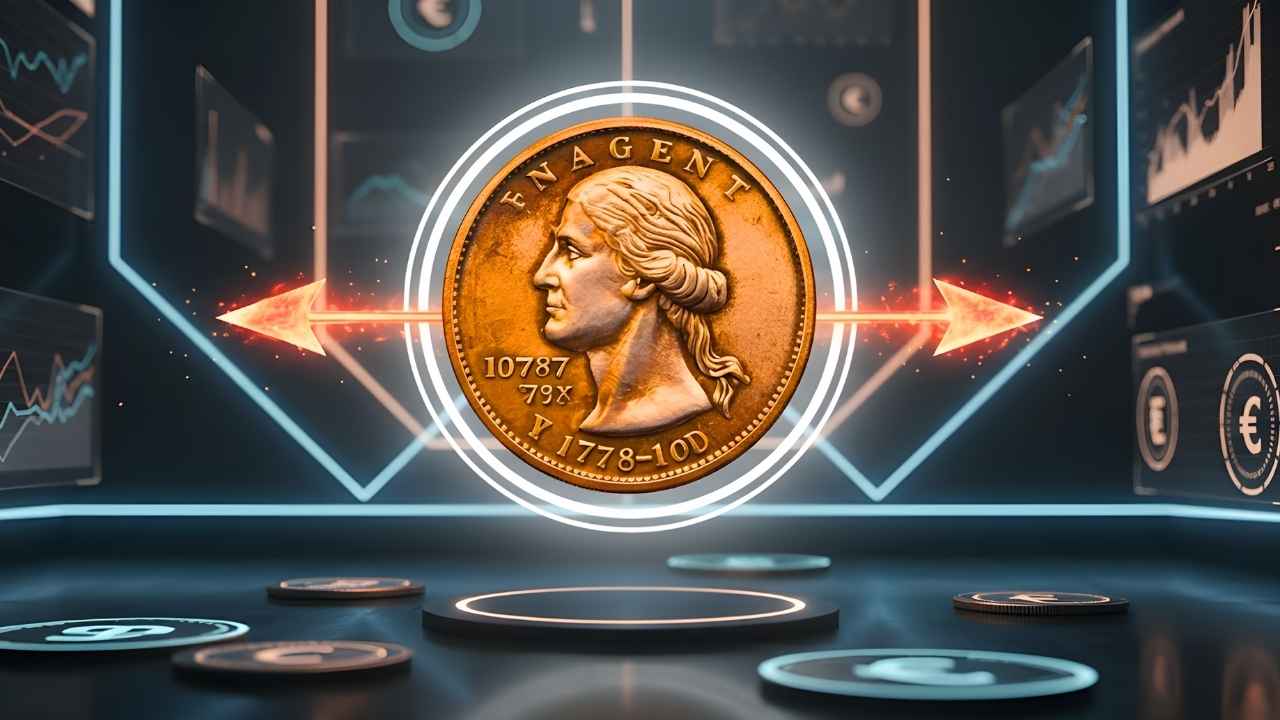
1953 Wheat Penny Worth Millions: Coin collecting is a fascinating hobby that blends history, art, and investment. Among the most iconic coins in U.S. numismatics are the Lincoln Wheat Pennies, minted from 1909 to 1958. Recognizable by the wheat stalks on the reverse, these pennies symbolize growth and prosperity. While most Wheat Pennies are common and worth just a few cents, rare minting errors can elevate their value to thousands or even millions. The 1953 Wheat Penny has recently drawn attention for such rare anomalies, making it a sought-after treasure for collectors.
Most Valuable 1953 Wheat Penny Errors
| Error Type | Description | Estimated Value | Collector Notes |
|---|---|---|---|
| Doubled Die | Design elements appear doubled due to misalignment during minting | $1,000–$5,000+ | Highly visible with trained eyes |
| Off-Center Strike | Coin design is misaligned on the blank | $500–$10,000 | Value depends on degree of misalignment |
| Wrong Planchet | Coin struck on an incorrect metal blank | $2,000–$20,000 | Extremely rare, highly prized |
| Die Crack | Small cracks appear on the coin surface | $200–$2,000 | Minor errors can still add value |
| Repunched Mint Mark | Mint mark appears doubled or shifted | $300–$3,000 | Collectors check closely for authenticity |
The Historical Background of the 1953 Wheat Penny
The 1953 Wheat Penny was produced during a period of postwar economic prosperity in the United States. Suburban expansion, industrial growth, and cultural shifts marked the era, yet pennies were an everyday object largely overlooked. The Lincoln Wheat design had been in circulation for decades and was already familiar to the American public. What makes the 1953 penny remarkable today are the rare errors and variations that occurred during its production, turning ordinary coins into valuable collectibles.
Why Errors Increase Coin Value
Errors in coin production break the expectation of perfection. The U.S. Mint strives for flawless coins, but mistakes occasionally occur. These errors, including double strikes, off-center designs, die cracks, or wrong metal blanks, are rare and create scarcity. Scarcity, combined with historical significance and collector interest, can elevate a coin’s value significantly. Even small imperfections can result in thousands of dollars in profit.
Notable Errors Found in the 1953 Wheat Penny
The 1953 Wheat Penny has several documented error types. The doubled die error, where design elements appear duplicated, is the most famous. Off-center strikes are another highly valued variant, especially when the misalignment is severe. Coins struck on incorrect planchets are extremely rare and can fetch tens of thousands of dollars. Minor errors such as die cracks or repunched mint marks also increase a coin’s collectible value, making every detail important for numismatists.

Market Value of the 1953 Wheat Penny
A standard 1953 Wheat Penny in circulated condition may only be worth a few cents. However, rare error coins can sell for hundreds, thousands, or even more. For instance, a 1953 doubled die penny in mint condition can fetch several thousand dollars at auction. Off-center strikes and wrong planchet errors are similarly lucrative. Professional grading plays a key role in establishing authenticity and value, with higher-grade coins commanding higher prices.
Stories of Profitable Discoveries
Countless collectors and ordinary people have discovered valuable Wheat Pennies in unexpected places. A coin jar passed down through generations might hold a rare 1953 error penny. Pocket change can hide a doubled die variety. These finds often make headlines and encourage others to examine their own collections carefully.

Tips for Identifying Rare 1953 Pennies
Start by inspecting the coin closely. Look for doubling in numbers or letters for doubled die errors. Check alignment to spot off-center strikes. Examine the mint mark for repunching. A magnifying glass or coin loupe can help reveal fine details, while comparing your coin to reference images from trusted numismatic sources can confirm potential value. If a rare error is suspected, professional grading is strongly recommended.
The Role of Auctions and Coin Dealers
Rare coins such as the 1953 Wheat Penny often appear at specialized auctions where collectors compete for ownership. Auction houses provide a reliable platform for authentication and sales. Reputable coin dealers offer expertise, access to rare coins, and guidance in building collections. Establishing relationships with trusted dealers ensures safer transactions and informed investment decisions.
Emotional and Historical Value of Collecting
Beyond financial gains, collecting coins carries deep historical significance. Each Wheat Penny is a tangible piece of mid-20th-century America, reflecting the culture, economy, and people of its time. Collectors often value these coins for the stories they tell, the heritage they preserve, and the personal satisfaction of owning something rare.
The Future of Wheat Penny Collecting
As time passes, Wheat Pennies will become scarcer due to loss, damage, or being stored in collections. Younger collectors are maintaining interest, keeping demand strong. Modern tools, online auctions, and grading services make collecting easier, but the essence remains the thrill of discovery, historical connection, and the excitement of owning rare coins.
Final Verdict
The 1953 Wheat Penny is more than just a small copper coin. Rare errors have transformed ordinary pennies into valuable treasures, offering both financial and emotional rewards. Collectors and investors alike are drawn to the excitement of uncovering these rarities. Even beginners can be inspired to check their own coins one penny could hold immense worth.
Disclaimer
This article is for informational and educational purposes only. Values mentioned are estimates and can vary depending on condition, market demand, and grading. Always consult a professional coin grading service or certified dealer before buying, selling, or evaluating coins.