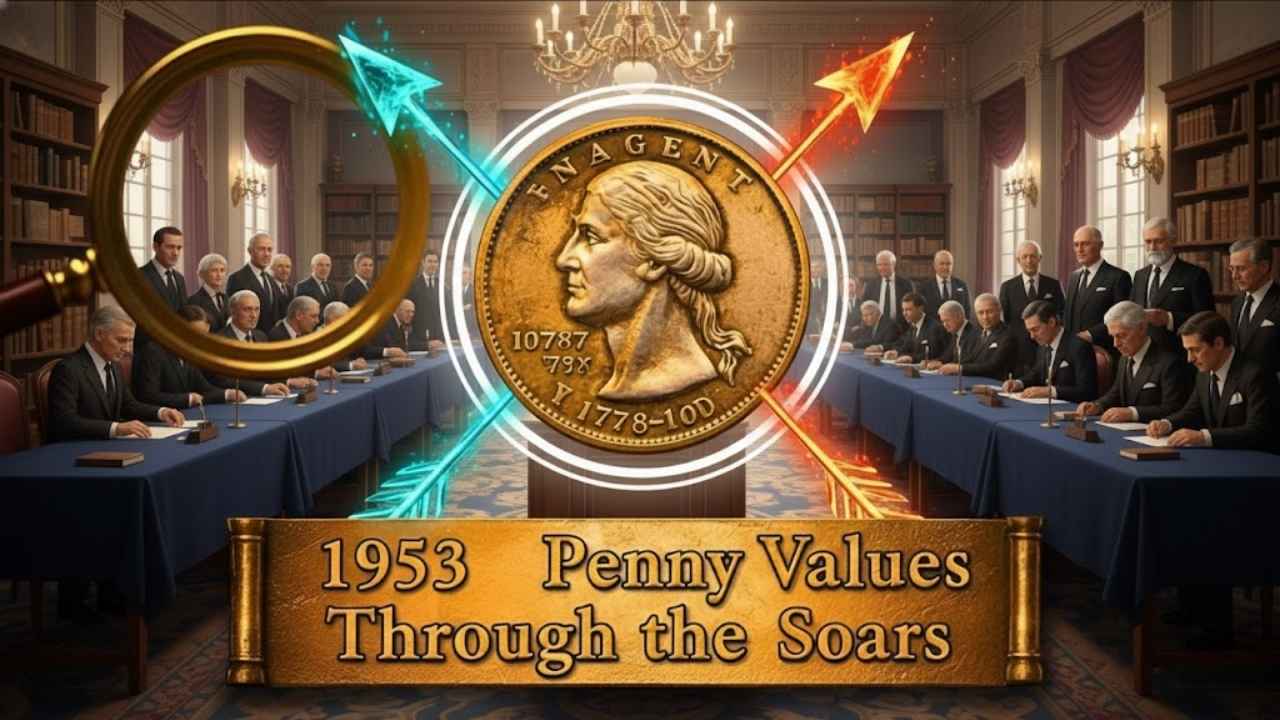
1953 Lincoln Wheat Penny Value: 1953 Wheat Penny Value Soars: Coin collecting blends history, craftsmanship, and the excitement of discovery. Among America’s most recognized coins are Lincoln Wheat Pennies, produced from 1909 to 1958 and easily identified by the wheat ears on the reverse. While many of these pennies remain common, a select group has gained extraordinary value due to rare minting mistakes. In recent years, the 1953 Wheat Penny has drawn renewed attention as collectors uncover error varieties capable of generating impressive profits.
Quick Overview of 1953 Wheat Penny Values
| Variety | Key Feature | Potential Value Range |
|---|---|---|
| Standard 1953 Wheat Penny | No errors, circulated | $0.05 – $0.25 |
| 1953 Doubled Die | Doubling in letters or date | $1,000 – $10,000+ |
| 1953 Off-Center Strike | Misaligned design | $500 – $5,000 |
| 1953 Wrong Planchet | Struck on incorrect metal | $5,000 – $50,000+ |
| High-Grade Mint State | Exceptional condition | $50 – $300+ |
The Historical Setting of the 1953 Wheat Penny
The year 1953 sat firmly in the postwar era, a time when the United States was enjoying economic expansion and cultural change. Pennies were heavily used in daily commerce, from grocery purchases to vending machines. By this point, the Lincoln Wheat design had been circulating for over four decades and was largely taken for granted by the public.
What makes the 1953 issue stand out today is not the era itself, but the unexpected production flaws that occurred during minting. These overlooked details are now the very reason collectors prize certain examples.
Why Mint Errors Drive High Prices
Minting errors occur when something goes wrong during production, whether from worn dies, misalignment, or incorrect materials. Because the U.S. Mint aims for uniformity, mistakes are relatively uncommon. When errors slip through and enter circulation, they instantly become scarce.

Collectors value these coins because each error represents a unique moment of imperfection. No two error coins are exactly alike, which adds to their appeal and pushes demand higher.
Notable Errors Found on 1953 Wheat Pennies
Several error types have been documented on 1953 Wheat Pennies. One of the most desirable is the doubled die variety, where letters, numbers, or Lincoln’s features appear duplicated due to a misaligned die during striking.

Off-center strikes are another sought-after error. These occur when the coin blank is not positioned correctly, leaving part of the design missing. The more dramatic the misalignment, the greater the value. Wrong planchet errors, where a penny is struck on a blank intended for a different coin, are among the rarest and most profitable finds.
Even smaller issues like die cracks or repunched mint marks can add meaningful premiums if the coin is well preserved.
Current Market Value and Demand
The value of a 1953 Wheat Penny depends heavily on condition and rarity. Most circulated examples without errors are worth only a small premium. However, error coins can sell for hundreds or thousands of dollars, with exceptional specimens commanding even more.
Certified grading plays a major role in pricing. Coins evaluated by professional services gain credibility, making them more attractive to buyers and auction houses. As interest in error coins grows, demand for high-quality 1953 Wheat Pennies continues to rise.
Real-Life Discovery Stories
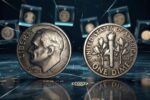
Many valuable Wheat Pennies have been found in ordinary places. Old jars of coins, inherited collections, or even pocket change have produced rare 1953 errors. These stories fuel enthusiasm among collectors, proving that valuable coins are not always locked away in museums.
The possibility of discovery keeps people searching and learning, even if most finds turn out to be common.
How to Check Your 1953 Wheat Penny
Anyone can start by examining the coin closely. Look for doubling in the date or lettering, uneven spacing, or missing design elements. Check whether the coin appears off-center or unusually thin or heavy, which could indicate a wrong planchet.
Using a magnifying loupe helps reveal small details. If something looks unusual, professional grading is the best next step to confirm authenticity and value.
The Role of Auctions and Dealers
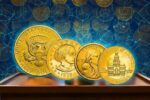
Rare 1953 Wheat Pennies often achieve their highest prices at specialized coin auctions. Competitive bidding can push values far beyond expectations. Reputable coin dealers also help collectors buy, sell, and authenticate valuable pieces, offering expertise that protects against costly mistakes.
Building relationships with trusted professionals is an important part of successful collecting.
Why Collectors Value More Than Money
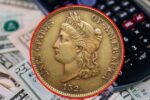
For many enthusiasts, Wheat Pennies represent more than profit. Each coin reflects a moment in American history and carries a sense of nostalgia. Collectors enjoy preserving these small artifacts and passing them down through generations.
The emotional connection to history is often just as rewarding as financial gain.
Final Verdict
The surge in interest surrounding the 1953 Wheat Penny shows how ordinary coins can become extraordinary through rare errors and careful preservation. While most examples remain modest in value, a small number have proven capable of delivering huge profits. For collectors and beginners alike, the 1953 Wheat Penny is a reminder that patience, knowledge, and attention to detail can uncover hidden treasures.
Disclaimer
This article is for informational purposes only. Coin values fluctuate based on condition, authentication, and market demand. Prices mentioned are estimates and not guarantees. Always consult certified grading services or experienced numismatic professionals before buying or selling rare coins.